Cockroach Control for Restaurants and Food Premises in the UAE: A Practical Guide
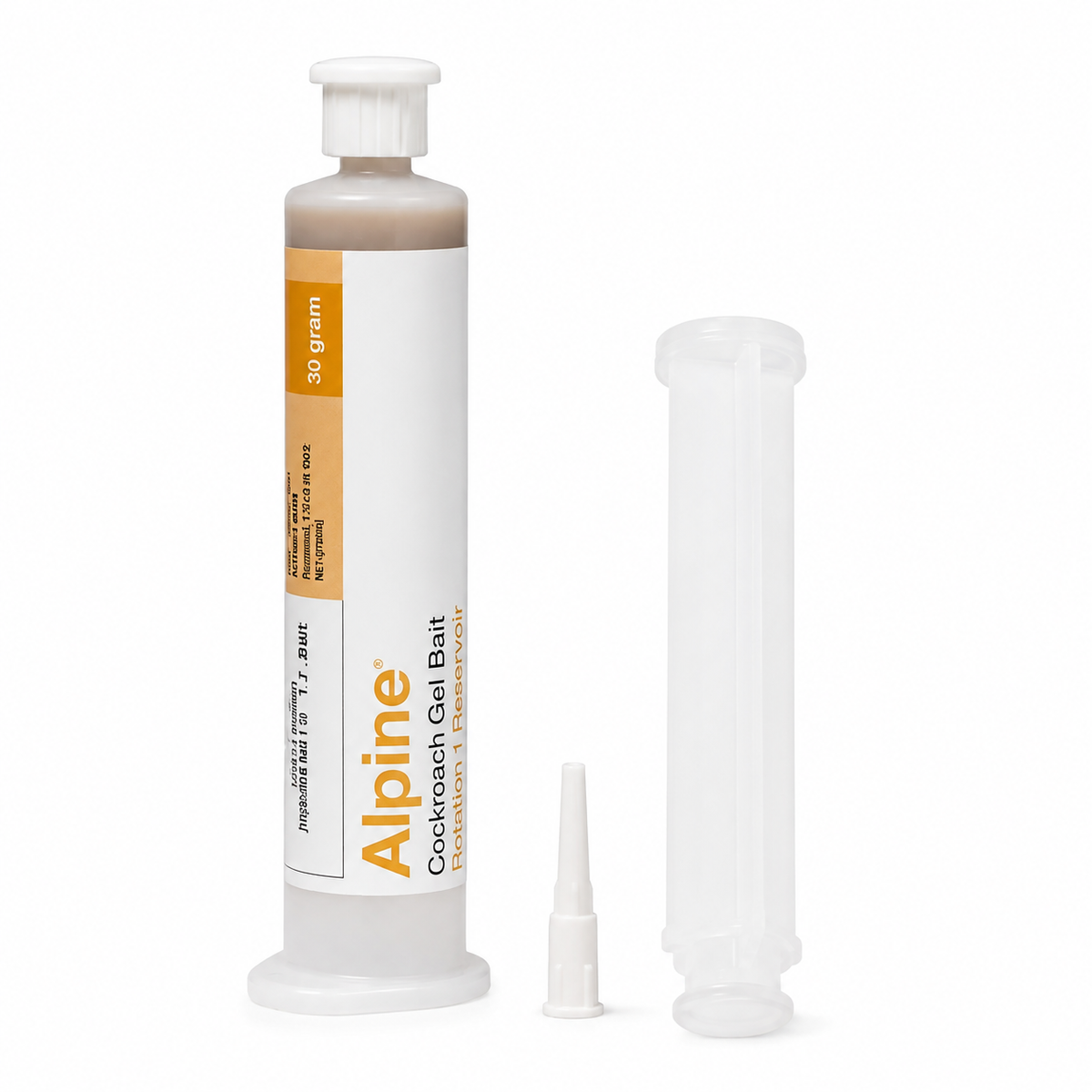
In a restaurant, one cockroach seen by one customer doesn't cost you the price of a meal — it can cost you a permanent bad review, a municipal violation, or a temporary closure.
This guide is written for restaurant owners, cafes, central kitchens and grocery stores across the UAE.
Why does the problem return despite daily cleaning?
Because a restaurant hands cockroaches everything they need in one place:
- Constant heat from ovens and refrigeration motors (which multiplies breeding speed)
- Constant moisture from sinks and dishwashers
- Food that never runs out and grease built up behind equipment
- Endless harbourage: drywall voids, pipework, fridge motor compartments
- Continuous entry with delivery boxes — the most overlooked source of all
Cleaning reduces available food, but it doesn't kill a colony living inside a wall.
Why spraying is effectively off-limits in restaurants
You can't spray insecticide over food preparation surfaces — and no auditor will accept it. That's exactly why professionals rely on gel baits in food premises: precise dots inside cracks, nothing airborne, no odour, no need to stop service.
Alpine by BASF has a particular advantage here — it carries EPA Reduced-Risk status, making it a preferred option in food areas.
An action plan for your restaurant
1. The weekly inspection (10 minutes)
Inspect with a torch at night after closing: behind ovens, under fridges, around drains, inside dry storage. Finding small black droppings like pepper grains or brown egg cases means an active colony.
2. Application at the critical points
- Fridge and freezer motor compartments (the hottest spot = the most breeding)
- Behind and beneath cooking equipment
- Storage shelf joints and corners
- Around water and drainage pipes
- The waste room and its surroundings
- The goods receiving area
3. Rotation protocol — a necessity, not a luxury
In restaurants, cockroaches are exposed to bait continuously, so bait aversion appears far faster than in homes. Switch the active ingredient every 3 months — Advion, then Alpine, then Evolution.
4. Documentation — what saves you at inspection
Keep a written log showing: the date of each application, the product used and its active ingredient, the areas treated, and the weekly inspection results. Also keep purchase invoices and the safety data sheet (MSDS) for each product.
This file is the first thing an auditor asks for — and having it transforms their impression of you.
When do you definitely need a licensed company?
Be clear with yourself: some municipalities and food safety schemes require a contract with a licensed pest control company and a certified document for food premises. Self-treatment does not satisfy that requirement.
Check your municipality's requirements first. If a contract is mandatory, use gel for maintenance between visits rather than as a substitute — which is exactly what the sharpest managers do.
Mistakes that recur in restaurants
- ❌ Spraying the kitchen with a repellent insecticide then placing gel — it cancels its effect entirely
- ❌ Cleaning gel placements with strong detergents during the daily clean
- ❌ Treating the kitchen while ignoring the store room and waste area
- ❌ Not inspecting delivery boxes on receipt
- ❌ Stopping once the problem disappears instead of maintaining a routine
For businesses: trade pricing and official invoices
We serve a number of restaurants and businesses across the UAE, and we provide:
- Wholesale pricing for larger orders
- Official invoices carrying your business details for accounting and audit purposes
- Product documentation and safety data on request
- Free guidance for your team on correct application
Message us for a quote for your business · Browse the products
This article is general guidance and does not replace checking the requirements of your municipality and the relevant authorities in your emirate.